
 Home
Home Sports
 Live Casino
 Fishing
 CockFight
 Lottery
 Slots
Slots News
NewsIn elite football, injuries are not just medical issues — they are tactical disruptions that can reshape an entire season. For a club with global expectations like Manchester United, squad availability directly influences performance, formation stability, and long-term ambitions. This comprehensive Manchester United injury update examines player fitness situations, positional depth, recovery patterns, and the broader competitive implications.
Rather than focusing on short headlines, this guide analyzes structural effects and what they mean for upcoming fixtures.
Why Injury Reports Matter More Than Ever
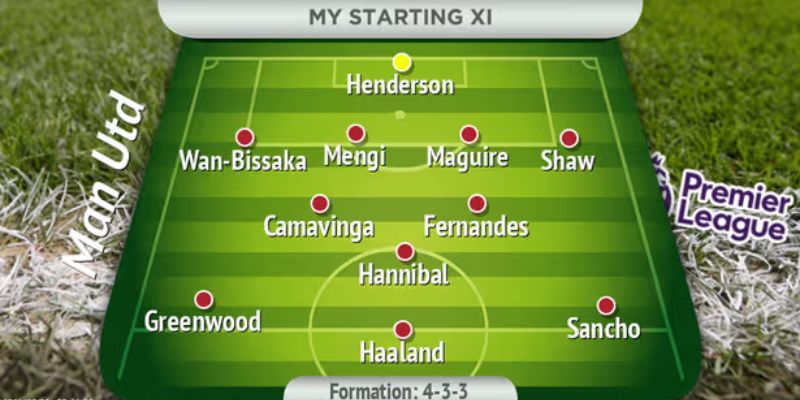
Modern football is faster, more physical, and tactically demanding than previous generations. High pressing, condensed schedules, and international tournaments increase physical strain on players.
An accurate Manchester United injury update helps supporters and analysts understand:
- Tactical reshuffling
- Rotation strategy
- Youth academy promotion
- Transfer market adjustments
- Fixture risk management
Injuries are no longer isolated incidents — they influence recruitment planning and squad building philosophy.
Defensive Line Concerns
Manchester United’s defensive stability often depends on center-back partnerships and full-back availability. When key defenders are sidelined, structural weaknesses emerge.
Centre-Back Availability
Injuries to starting defenders force managers to:
- Alter defensive shape
- Adjust pressing intensity
- Protect central zones with deeper midfield support
A prolonged absence in central defense typically reduces build-up confidence and aerial dominance. Every Manchester United injury update in this area carries tactical significance.
Full-Back Rotation Challenges
Full-backs are crucial in modern systems. They provide width, overlaps, and transitional speed.
If one or both starting full-backs are unavailable:
- Wingers must track back more aggressively
- Central midfielders shift laterally
- Counterattacking speed declines
The ripple effect extends far beyond the defensive line.
Midfield Fitness and Balance
Midfield injuries often disrupt rhythm and ball progression.
Manchester United’s system usually requires:
- A defensive anchor
- A box-to-box presence
- A creative playmaker
When one element is missing, the team risks losing balance. An up-to-date Manchester United injury update clarifies which tactical profiles are currently unavailable and how replacements adjust the system.
For example:
- Absence of a holding midfielder increases vulnerability in transition
- Loss of a creative midfielder reduces chance creation
- Missing high-energy players affects pressing intensity
Attacking Line and Goal Output
Injuries among forwards directly influence scoring consistency.
Modern attackers contribute beyond goals:
- Pressing triggers
- Defensive work rate
- Link-up play
- Wide positioning
A detailed Manchester United injury update in the attacking department often determines whether the team relies on counterattacks or controlled possession.
Recovery Timelines and Medical Strategy
Football medicine has evolved significantly.
Clubs now utilize:
- Advanced physiotherapy
- Load monitoring technology
- Individualized recovery programs
- GPS tracking systems
Typical recovery windows vary:
- Minor muscle strain: 2–3 weeks
- Ligament injury: 6–8 weeks
- Major surgery: several months
Monitoring each Manchester United injury update requires understanding medical timelines rather than relying on optimistic return dates.
Fixture Congestion and Injury Risk
The Premier League schedule is relentless. Domestic cups, European competitions, and international breaks compress rest periods.
During congested runs:
- Rotation becomes essential
- Youth players may feature
- Tactical conservatism increases
Injury frequency often spikes during winter months. A thorough Manchester United injury update must consider seasonal fatigue patterns.
Tactical Adaptations Under Injury Pressure
When multiple starters are unavailable, managers adjust formations.
Possible shifts include:
- 4-2-3-1 to 4-3-3
- Back three systems for defensive security
- False nine deployment if strikers are absent
Each adaptation changes pressing triggers, defensive spacing, and attacking width.
Youth Academy Opportunities
Injury crises can accelerate youth integration.
Manchester United historically values academy promotion. When senior players are sidelined:
- Young midfielders may gain minutes
- Defensive prospects receive exposure
- Squad rotation broadens
Tracking academy involvement within each Manchester United injury update reveals long-term squad evolution.
Psychological Impact on Squad Morale
Injuries also affect dressing room dynamics.
Key effects include:
- Increased pressure on fit players
- Reduced training intensity
- Shift in leadership roles
A resilient squad adapts collectively. Understanding psychological components adds depth to any Manchester United injury update discussion.
Transfer Window Implications
Extended injury lists often influence recruitment strategy.
Clubs may:
- Seek short-term loan reinforcements
- Accelerate permanent signings
- Promote youth alternatives
Transfer decisions are frequently reactive to medical reports.
Football data platforms and fan communities sometimes discuss squad fitness and match projections through sports analytics spaces such as VIPPH or broader sports hubs including melbet, though official club sources remain primary for medical accuracy.
Performance Metrics Affected by Injuries
Statistical indicators often shift during injury periods:
- Possession percentage
- Shot creation numbers
- Defensive duels won
- Expected goals (xG) differential
Analyzing these metrics alongside a Manchester United injury update offers a clearer performance context.
European Competition Pressure
Competing in continental tournaments intensifies workload.
Travel fatigue and tactical adjustments increase strain. Monitoring availability before major European fixtures is crucial for predicting lineup rotation.
Supporters reviewing match previews sometimes explore platforms like melbet home pages for fixture data summaries, yet official injury reports should always come from verified club communications.
Long-Term Squad Planning
Injury-prone seasons prompt strategic reflection.
Questions clubs evaluate include:
- Is squad depth sufficient?
- Are conditioning programs effective?
- Should preseason training loads be modified?
- Is rotation balanced appropriately?
Each Manchester United injury update contributes to broader structural evaluation.
The Role of Sports Science
Modern analytics influence injury prevention:
- Muscle fatigue mapping
- Biomechanical analysis
- AI-based workload prediction
Sports science departments aim to minimize recurrence rates. Injury recurrence often indicates deeper conditioning or scheduling concerns.
Fan Expectations and Media Pressure
Manchester United operates under intense global scrutiny.
When injury lists grow, media narratives intensify. Transparent communication from the club helps manage expectations.
An accurate Manchester United injury update reduces speculation and provides clarity on squad readiness.
Upcoming Fixtures and Risk Assessment
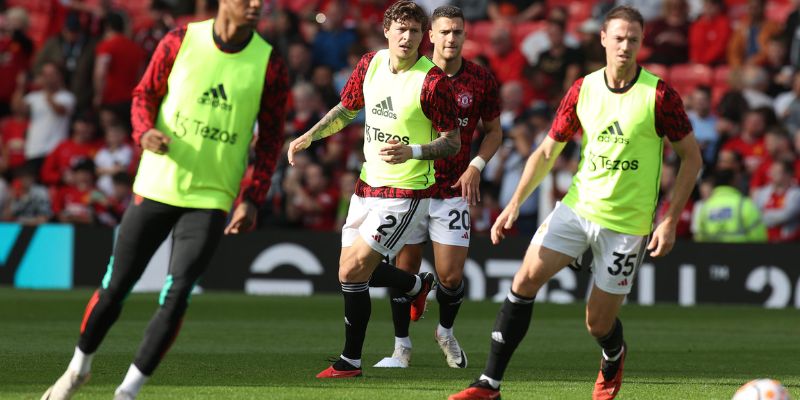
Looking ahead, key considerations include:
- High-intensity derby matches
- Back-to-back away fixtures
- Midweek European ties
- International player travel
Fitness management becomes critical during these periods.
Final Thoughts
Injuries are an unavoidable aspect of elite football, but their impact varies depending on squad depth, tactical flexibility, and medical management.
A structured Manchester United injury update reveals far more than a list of sidelined players. It provides insight into:
Tactical reshaping
Performance fluctuations
Youth development
Transfer implications
Season trajectory
For supporters and analysts alike, understanding injury dynamics transforms match analysis from surface-level commentary into deeper strategic evaluation.
As the season progresses, monitoring player fitness will remain central to assessing Manchester United’s competitive ambitions and consistency across domestic and European competitions.




